Beyond Device Fingerprinting: Orchestrating Device Risk Signals Into Every Access Decision
Device fingerprinting used to be sufficient. But with new privacy tools and account takeovers on the rise, security teams must supplement fingerprinting with broader signals to stop fraud.
Synthetic identity fraud explained—and how a decision engine stops it
Multiple studies now attribute “over 80 percent of all new-account fraud” to synthetic personas. Enterprise security teams need the technical power to weigh thousands of risk signals in real time to stop synthetic identities from onboarding.
5 Key Fraud Signals to Incorporate in Your Counter-Fraud Strategy
Enterprises in finance, healthcare, insurance, and aviation are all seeing fraudsters exploit passwords and static KBA questions. Instead of a one-size-fits-all login process, an orchestrated approach evaluates diverse risk signals (device, network, user behavior, identity data, etc.) in real time, then dynamically escalates or relaxes verification based on risk.
IT Procurement for Identity Security and Counterfraud Solutions
Procuring the right identity and fraud prevention technologies is the difference between business as usual and a costly breach. Today’s enterprises must invest in identity security and counterfraud solutions to protect both their users and their data.
Are Verified Fans an Effective Way to Counter Ticket Scalping?

Ticket scalping continues to challenge the integrity of event access across sports, music and entertainment. “Verified Fan” programs to filter out bad actors before sales even begin. When integrated into a presale system, eIDV ensures that each code or link is tied to a verified individual—not just an account.
The Top 5 Ways to Improve Your Payments Security in 2025

As cybercriminals refine their tactics, financial institutions and businesses alike must aggressively evolve their security strategies. Protecting payment systems now demands a layered, client-centered, and analytics-driven approach.
How to secure yourself from credential stuffing account takeovers in 2025
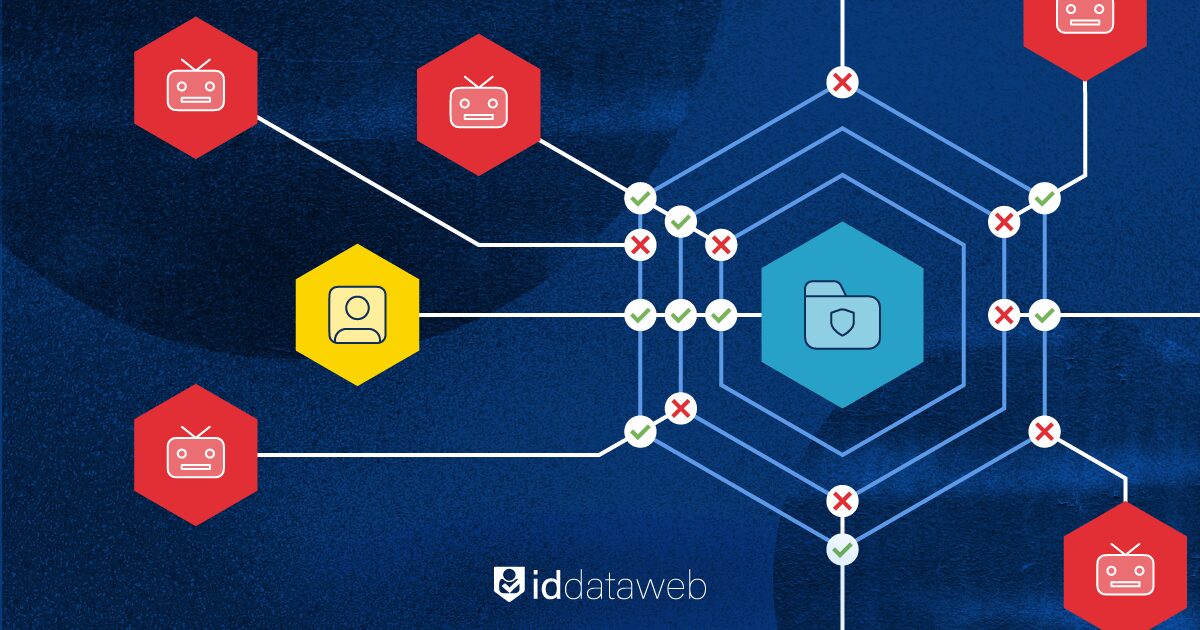
Credential stuffing flourishes where reused passwords meet static login flows. Using ID Dataweb’s millions of risk signals, security teams close that gap without frustrating customers.
How policy & decision engines counter account takeover fraud

Businesses that rely on static fraud rules or isolated authentication checks risk account takeover attacks. Decision engines that leverage real-time risk signals allow organizations to battle new fraud tactics.
Top fraud prevention challenges for airlines in 2025
Airlines in 2025 operate in an environment where identity is the new security perimeter – protecting it is paramount for safety, trust, and profit. Passenger identity verification, loyalty fraud, ticketing scams, and insider risks are testing the industry’s resilience.
Understanding Third Party Risk In Identity Management
If a vendor’s credentials fall into the wrong hands, your network becomes an open door. Security professionals must manage third-party users with the same (or stricter) standards reserved for internal staff.